During my trip to South Korea in 2018, I had the opportunity to visit the elusive border with North Korea, a place surrounded by an air of uncertainty and fascination. The atmosphere was palpably tense, underscored by the ever-present U.S. military forces in the region. As I ventured near the border, the austere North Korean flag, emblematic of the oppressive regime, fluttered ominously, a stark reminder of a divided world.
Amidst this tense environment, I found myself tasting Naengmyeon, a cold and relatively tasteless North Korean noodle dish. The experience of consuming this simple fare, originating from the hermit kingdom, felt surreal and emblematic of the stark contrast between the two nations. It was as if the very essence of North Korea’s isolation and hardship were encapsulated in this unassuming dish.
It was during this time that I recalled the film “The Interview,” where Western visitors to North Korea gradually pierce the veil of an elaborate deception, revealing a carefully constructed facade. Their ability to discern the truth was contingent upon their prior experience with life beyond North Korea’s borders. This insight prompted me to question: how would one’s perception be altered if alternative realities remained unknown? Can truth be unearthed without a point of comparison?
In grappling with the enigma that is North Korea, one must consider the insidious nature of censorship and its implications. The regime’s propaganda apparatus engulfs its citizens with narratives, effectively stifling any seeds of doubt or skepticism that may arise, such as placing Kim Il Sung at the very origin of the world – just one example among many. This situation conjures up thoughts reminiscent of Descartes’ philosophical contemplation of the ‘malignum genium’ or ‘Evil Genius,’ an insidious force that manipulates our perceptions of reality. Although addressing distinct matters, this thought-provoking comparison encourages us to delve into a curious and introspective examination of North Korea’s complex socio-political landscape.
When empirical evidence is deemed unreliable, it becomes necessary to seek alternative methods of pursuing knowledge, such as rationalism, exemplified by the philosophical inquiries of Descartes. Can this unwavering pursuit of truth ultimately serve as a catalyst for personal liberation?
As we initiate this pursuit for truth, we must ask crucial questions: Do the claims and narratives presented by governments and authorities display logical consistency, or do inconsistencies unveil manipulated information? Can we identify patterns and trends that reveal a hidden agenda? When examining the motives behind the control of information, censorship, and propaganda, do we discover the simplest and most plausible explanations to inform our understanding?
Reflecting upon my own experiences, while residing in Indonesia, I was exposed to a specific narrative surrounding the 1965 genocide. Aware of the potential for propaganda, I read foreign publications to gain alternative perspectives. It was only upon relocating to Australia that I recognized the stark contrast between Indonesia’s version of events and Australia’s perspective, and potentially, the rest of the world. It is a bewildering realization that reality and knowledge about the state of the world can vary significantly from country to country, and even from person to person.
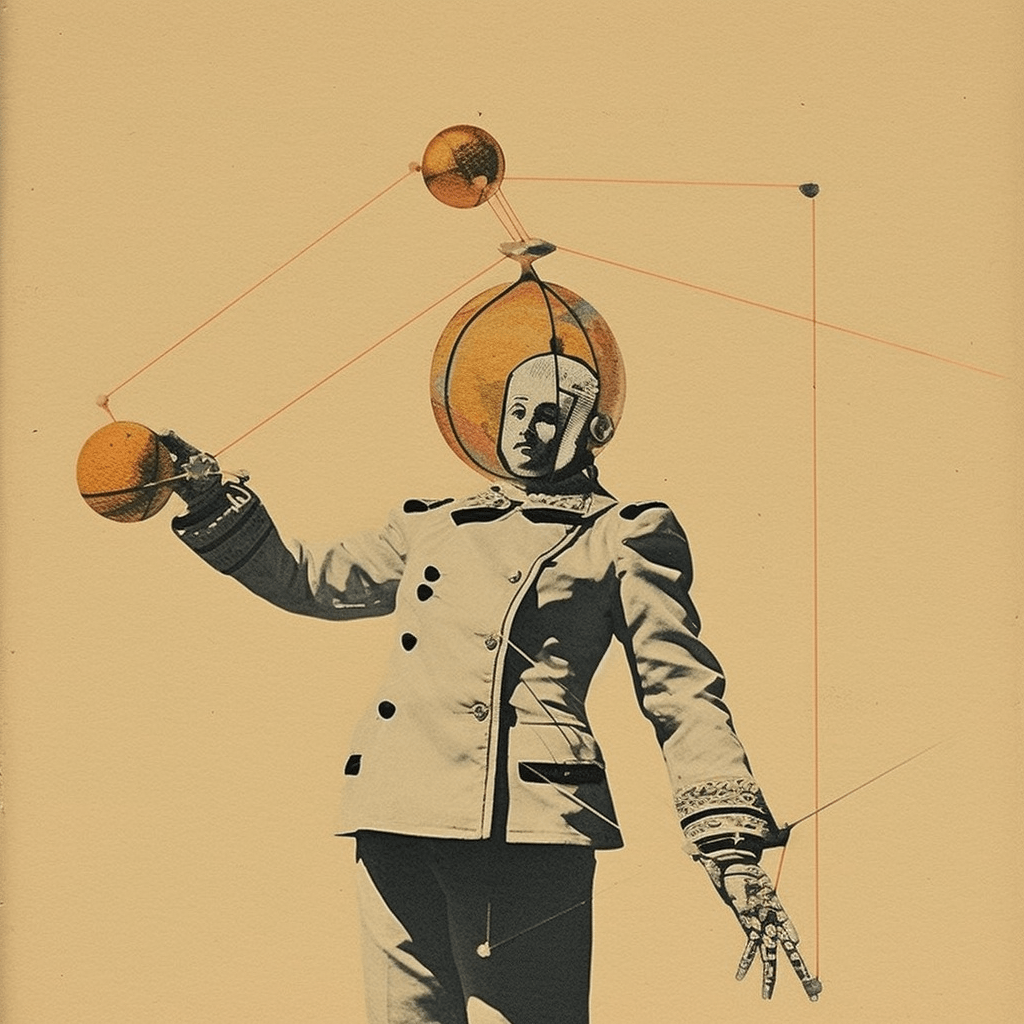
Continuing this line of thought with the COVID narrative, we might wonder: If someone from another galaxy observed our world, influenced by globalization, what hidden truths or insights could they see that we might miss? As we sort through various information, opinions, and beliefs about the pandemic, we should think about how our own biases, cultural backgrounds, and the sources of information we rely on shape our views. An observer from outside our world, free from these biases and influences, might have a different perspective on the events taking place. This idea encourages us to look more closely at the stories we come across and aim for a deeper, more balanced understanding of the complexities of the COVID pandemic and our role within the global community.
In drawing our reflections to a close, we acknowledge the complexities of the world and the ever-shifting landscape of truth, recognizing the vital role our own minds play in this process. Descartes’ famous assertion, “Cogito, ergo sum” – “I think, therefore I am,” serves as a fundamental reminder of the significance of thought, reason, and self-awareness in our pursuit of understanding. Moreover, it embodies the spirit of skepticism, encouraging us to question our beliefs and assumptions. It is within the realm of our minds that we engage with the challenges of distinguishing truth from falsehood and aspire to cultivate a more enlightened and informed perspective on the world we inhabit.
 Vires in Numeris