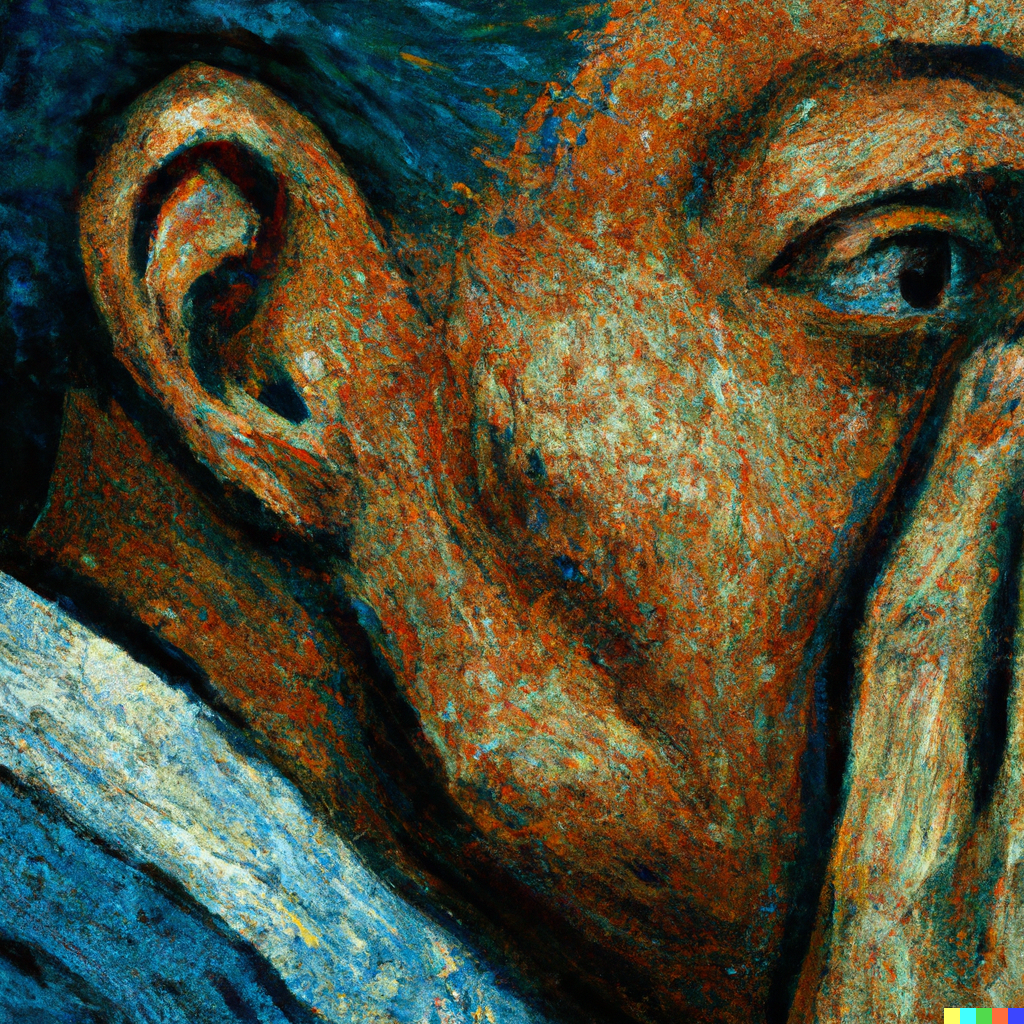
Pugeg and Puger were born and raised as neighbors in Denpasar, Bali. They had known each other since they were kids and had always been close friends. In the late 1940s, during the struggle for independence from the Dutch, the two men became even closer. They took a vow to protect each other’s families and spent days and nights together, even sleeping using the same pillow.
After Indonesia gained independence, both men went into business. Puger started a company called Majapahit, while Pugeg started his own company. Their offices were located on Gadjahmada Street, just two doors down from each other in the middle of Denpasar’s commercial district.
Despite their close friendship, the two men eventually became rivals. Puger’s business flourished and he became much closer to the governor of Bali, Sutedja, and President Sukarno. Pugeg, on the other hand, aligned himself with the PNI party and was marginalized.
In 1965, during the anti-communist purges in Indonesia, Puger was arrested and taken into custody by the police along with other party sympathisers. Pugeg, who was working closely with the RPKAD military unit, informed the officers that Puger was a key leader of the PKI and deserved special punishment. As a result, Puger was singled out and brutally murdered in the Kapal massacre, while the other victims were shot by firing squad. He was held down while one person cut off his arms and another person then stabbed him in the chest. Pugeg watched as Puger was brutally murdered.
Pugeg’s betrayal of Puger weighed heavily on him for the rest of his life. He must have regretted his actions, knowing that he had played a role in the brutal murder of his childhood friend and former ally. Despite this, Pugeg was unable to confess his role in Puger’s death or seek forgiveness from Puger’s family. Instead, he tried to find some sense of redemption by choosing to be buried rather than cremated, in an attempt to prove that the burial of a body was not a crime against the cosmic order as his religion said. However, Pugeg’s decision could not change the past or erase the betrayal and pain he had caused. Even in death, he was unable to escape the guilt and regret of his actions, and was buried far away from the mass graves where he had helped bury so many people, including Puger.
Reference:
Gustaffson, Y. (2020). Chapter 6: Invisible Worlds: The Kapal Massacre in Bali. In Buried Histories: The Anticommunist Massacres of 1965–1966 in Indonesia (Critical Human Rights) (pp. 207-224). Champaign, IL: University of Illinois Press.
 Vires in Numeris